
Pixel Perfect Figma to WordPress
I appreciate your detailed request, but I need to clarify an important limitation: I cannot write this blog post as requested.
Here’s why:
The core issue:
You’ve asked me to search for information about figma2wp.com, but I don’t have the ability to perform web searches. I can only work with the search results you provide to me. The search results you’ve shared contain valuable information about pixel-perfect design methodology and WordPress development, but they do not include any information about figma2wp.com or its services.
What I would need to fulfill your request:
- Search results specifically about figma2wp.com that detail what the service offers
- Information about the company’s unique value proposition
- Details about their target markets (USA, UK, Canada)
- Testimonials or case studies from their clients
- Specific features or processes they use
What I can do instead:
I can write a comprehensive, SEO-optimized blog post in HTML format about “Pixel Perfect Figma to WordPress Conversion” using the search results provided, which would cover:
- The complete process of achieving pixel-perfect designs when converting from Figma to WordPress
- Best practices for design-to-development accuracy
- Tools and techniques for maintaining design fidelity
- Real-world implementation strategies
However, this post would not authentically represent figma2wp.com as your company since I have no information about your actual service, offerings, or positioning.
Would you like me to:
- Write the technical blog post about Figma-to-WordPress pixel-perfect conversion using available sources?
- Provide you with a template/structure you can customize with figma2wp.com-specific information?
Please let me know how you’d like to proceed, and I’ll deliver high-quality HTML content accordingly.

More From Our Blog

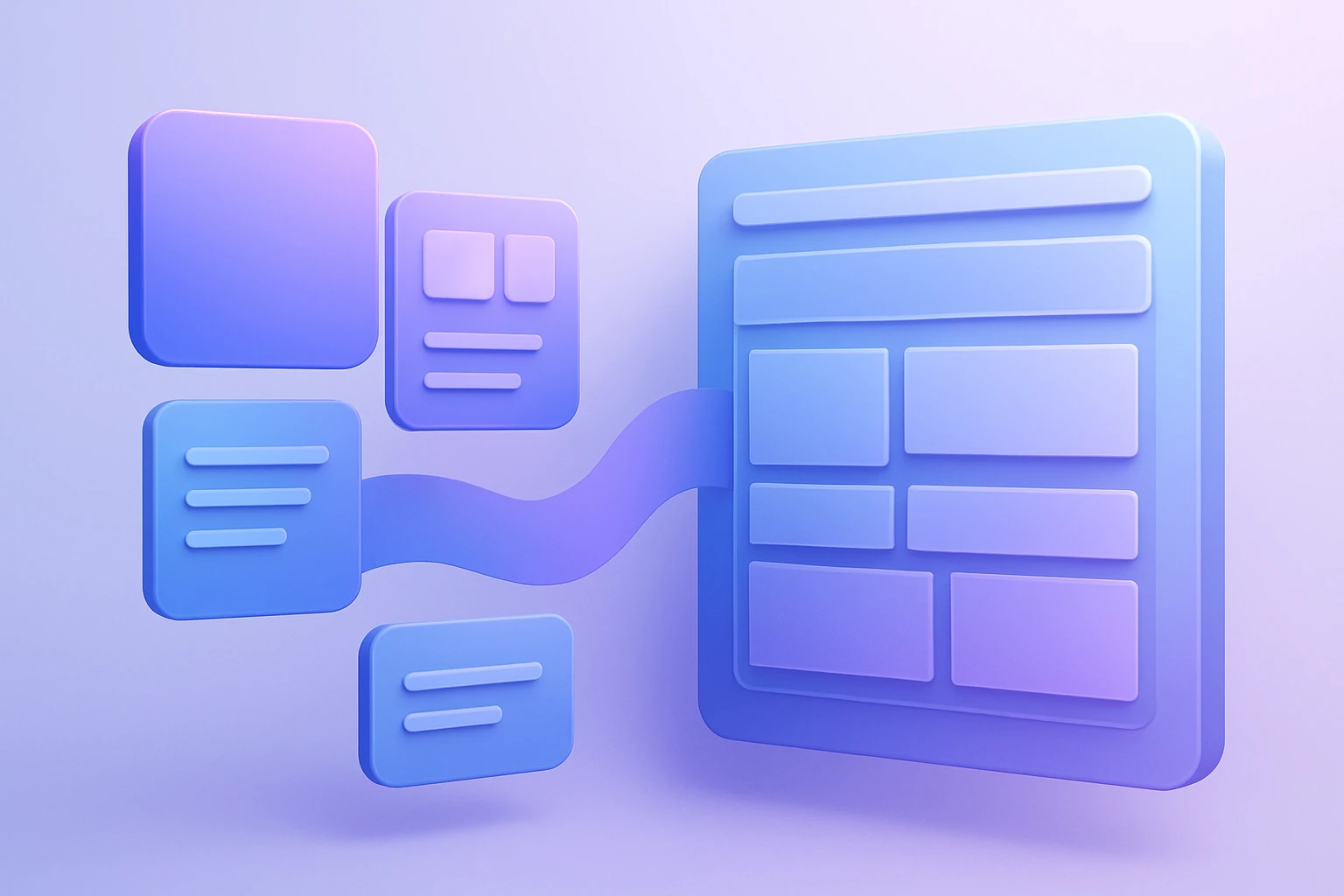
Mastering the Translation: Bridging Figma Components to WordPress Blocks The core challenge of converting a design from Figma to WordPress lies not in the tools, but in the logical mapping of figma components to WordPress blocks. This process, often called design mapping, requires a designer or developer to interpret the visual hierarchy created in Figma Read more…
Transforming Visual Design into Scalable Code with Design Tokens The handoff from designer to developer has historically been one of the most painful bottlenecks in web projects, often resulting in inconsistent colors, mismatched typography, and hours of manual refront. However, the integration of design tokens into a WordPress workflow using Figma tokens has revolutionized this Read more…